
Table of Contents
There are many different kinds of carbon in existence, and one of the more important forms of carbon is known as fixed carbon. Fixed carbon is important for many different industries and is also very important for the environment. With more and more companies focusing on sustainable practices, knowing the benefits of fixed carbon is becoming very important. Fixed carbon benefits production and decreases the overall negative impact on the environment. With that in mind, it is very crucial to understand what fixed carbon is. What is it really,y and why is it so important now?
What is Fixed Carbon?
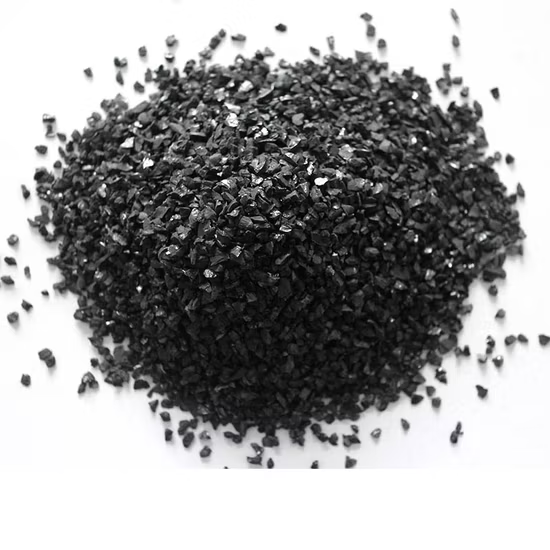
After volatile compounds are removed during the burning of fossil fuels, biomass, and some types of coal, the remaining portion of carbon is called fixed carbon. Simply put, fixed carbon tells us what parts of these materials are solid and stable, and is vital for determining the energy that can be obtained from the combustion of organic materials. More fixed carbon in a material means that more energy can be released in a combustion reaction
What sets fixed carbon apart from other types of carbon is the longer period of time that fixed carbon can provide heat for. Because of this, fuels that contain high amounts of fixed carbon are very good for the productivity of an industry. With industries in the modern world attempting to be more environmentally friendly, understanding fixed carbon is very important for innovation and the improvement of sustainability. The more an industry understands fixed carbon, the more they can improve the productivity of their processes and better the environment.
The Role of Fixed Carbon in Different Industries
Many industries rely on the importance of fixed carbon, most notably energy generation and manufacturing. For example, the steel industry requires refined fixed carbon to produce quality alloys, steel’s additional fixed carbon ensuring strength and durability.In the energy sector, coal’s fixed carbon directly relates to the coal’s calorific value, or how efficiently it can be converted to energy.
How Fixed Carbon Impacts the Environment
The impact of fixed carbon on the environment can be positive. Used sustainably, the impact of fixed carbon can lessen some of the effects of climate change. These technologies are a positive change for the environment and the clean industry
Benefits of Using Fixed Carbon in Industry
Different industries take advantage of fixed carbon in different ways. It helps industries become more efficient in the production of various high-quality materials, including steel and graphite. One of the most important advantages of fixed carbon is providing structural integrity. Fixed carbon can be mixed into concrete & improve the strength and durability of structures, which helps to reduce the need for replacements. Over time, this helps to reduce costs.
In addition to providing structural integrity, fixed carbon also helps to improve the energy efficiency in manufacturing through its combustion properties. With fixed carbon, industries can produce energy more efficiently & reduce energy waste. Using fixed carbon also helps to improve sustainability. It helps to reduce and optimize the use of resources and support cleaner production. More and more manufacturing processes are using new innovative techniques to be more efficient. As technology advances, more and more industries will be able to take advantage of fixed carbon.
Innovations in Fixed Carbon Technology
The most recent advancements in carbon technology, and consequently most industries, is being positively impacted. Researchers are creating new methods to improve fixed carbon materials and to make them even stronger and more durable.
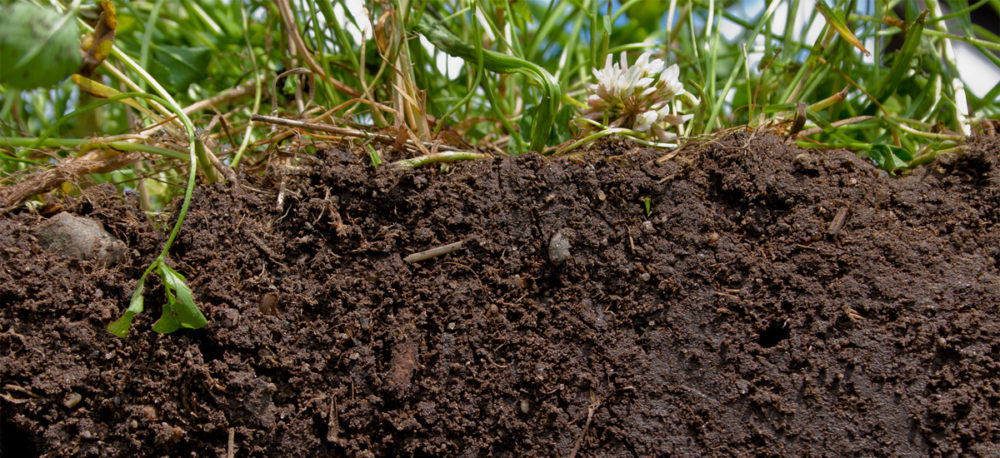
One new possible development is called biochar. This is environmentally friendly, carbon fixing that also sequesters carbon and can improve soil health. Converting agricultural waste into biochar also decreases emissions and improves crop yields.
Real-time environmental monitoring using integrated fixed carbon smart oil sensor technology helps businesses’ environmental smart monitoring to help optimize resources and improve environmental efficiency. The future of these is smart and less carbon intensive i, and will focus on the carbon-fixing innovations that promise to improve the industrial landscape.
Conclusion: The Future of Fixed Carbon and Sustainability
The prospects of fixed carbon for the industry and the environment are encouraging. With businesses pursuing sustainable practices, the demand for such solutions should increase. The future of the technology that drives its effectiveness and minimizes damage to the environment will also be in demand.
It will be optimal to use fixed carbon with renewable energy sources. Also, the combination of manufacturing, agriculture, energy, and other relevant sectors will foster the development of more advanced solutions for the use of fixed carbon. This combination will produce relevant new solutions and be of benefit to the economy and environment.
A focus on the development of technologies related to fixed carbon will enhance its untapped benefits and address the challenges that are intricately related to climate change. This focus will also enhance the drive towards long-overdue sustainability of the industry. The above changes will recognize the important contribution that fixed carbon will continue to make towards the sustainable practice of industry. The future holds great promise for the practice of sustainable industry.










Leave a Reply