
Table of Contents
Introduction to the Carrotwood Tree
Picture yourself walking through your garden. What a sight it must be. But, wait a minute. Is there a threat lurking nearby? Wonderfully picturesque, carrotwood tree have bright flowers that are a delight to any passerby. However, these trees are a considerable threat to any gardener and any local ecosystem. The tropical carrotwood trees are also delightfully inviting to a green space, and are remarkably uninviting to the ecosystem. They are also very dangerous. It is important to know everything about carrotwood trees. What is there to know? Carrotwood trees pose numerous dangers that need to be understood.
Origin and Characteristics of the Carrotwood Tree
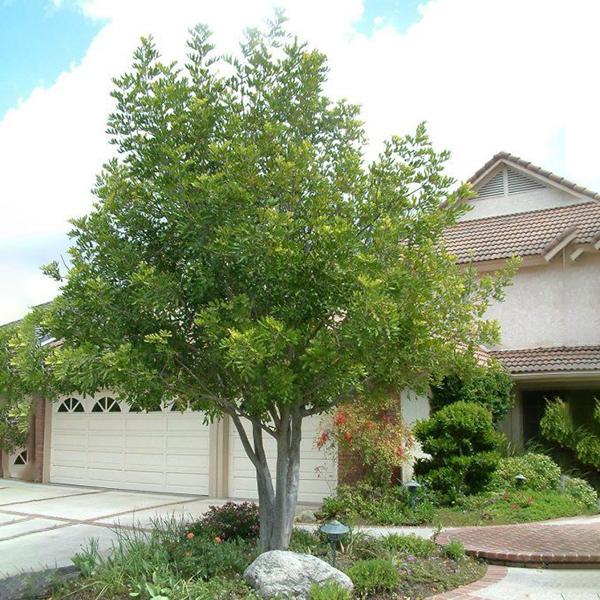
As an adult, this tree can be 30-40 feet tall and is considered an evergreen species (Queensland University of Technology). From a distance, a full-grown carrotwood tree looks like many others, but from closer range, the character of the tree can be appreciated as the leaves are glossy and a deeper hue of green than many others.
The spring season of the Carrotwood is spring is ajacemt with flowering NSWYs, suggest he assembly of blooms is NSWYs in the tree (Queensland University of Technology). He blooms, he pollinates like be poles as step is seedlings post. The assively eye of carrotwood is kept at a distance of the trees are the he of the tree are a grayish bright brown with texturing. This can also be used to carve.
How the Carrotwood Tree Became Invasive
The carrotwood tree started to be introduced to other countries. The initial introduction of the carrotwood tree for landscaping became an issue later. The tree was able to quickly adapt to many of its new environments. The adaptable root system of the carrotwood tree to various soil types and climates made it a popular but dangerous choice.
The carrotwood had no natural predators or diseases. So for these new areas, carrotwood was able to multiply uncontrollably. Rapid growth changes the ecosystem of the areas it grows into. The once beautiful tree became a serious risk to biodiversity and the life of the indigenous species.
Negative Impacts of Invasive Carrotwood Trees
This change in factor distribution is linked to a variety of different species that rely on fostered relationships to survive. The shading of understory species due to the buildup of vegetation on the tree for several leaves of the carrotwood species. Undergrowth of these species is limited by their access to the sun, which is further worsened by the buildup of vegetation, leading to monocultures of these invasive species.
The addition of litter from the carrotwood trees’ leaves and branches contributes to changes within the soil horizons of the ecosystem and the rate of organic matter decomposition. This also changes the cycling of soil nutrients.
Directly and indirectly, Invasive species reduce the populations of animals that rely on indigenous vegetation for food by reducing the amount of food that is available to those that rely on them as a resource. Due to the presence of these species, there is a risk of territorial ecological problems that are more long-lasting than we face, and also, gardening fans tend to ignore them until their problems are fully developed.
Identifying and Controlling Carrotwood Trees in Your Garden
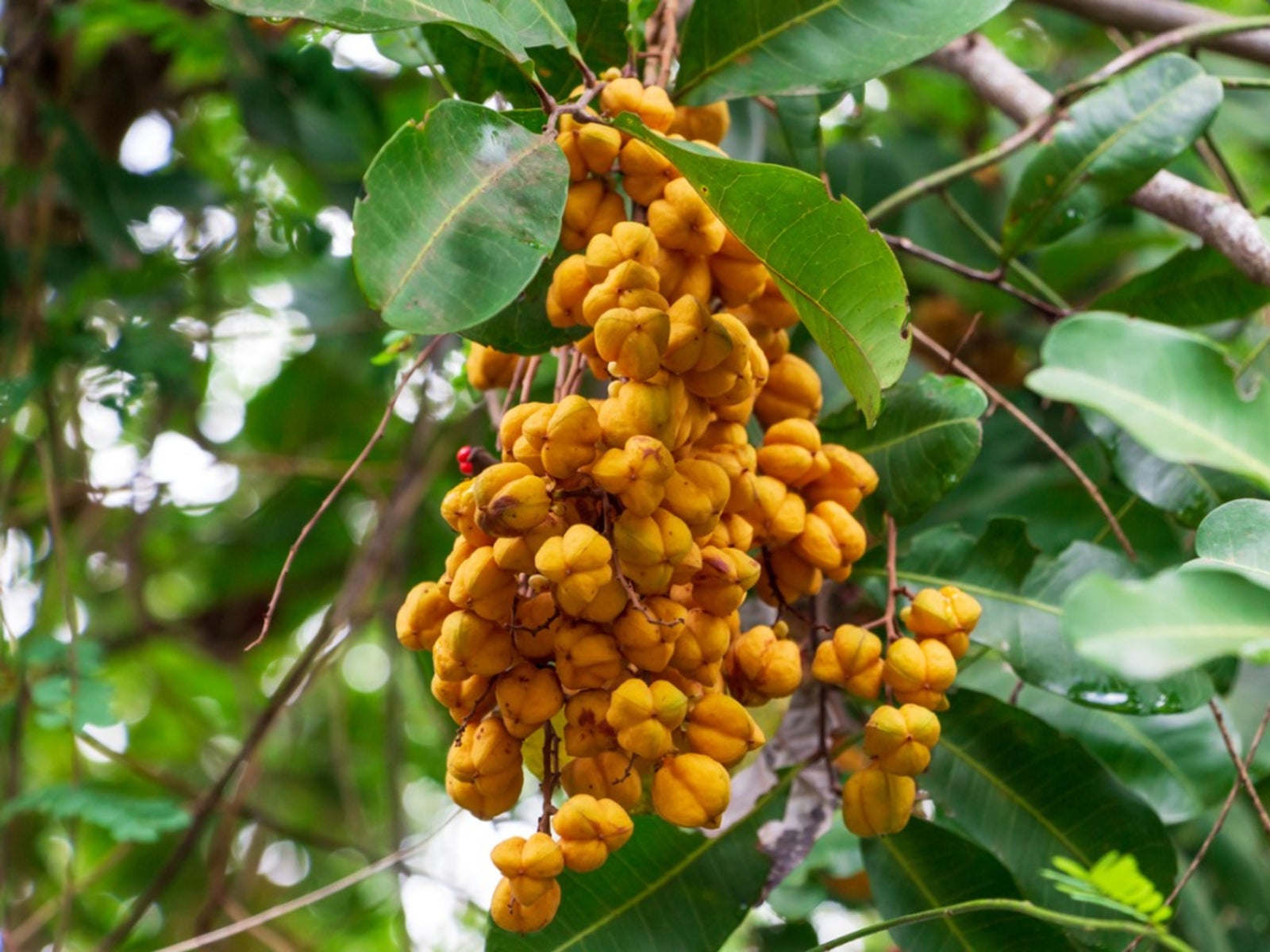
Carrotwood trees can be very tricky to identify. A 40ft height maximum, with dark green, glossy, lance-shaped leaves that are under 6 inches long, these can often be mistaken for many other benign tree species. Come Spring, watch out for the small flower clusters that form and then turn into the infamous, round seed pods that can definitely seed more carrotwood trees.
It can be very difficult, but if carrotwood trees have not set seed pods, then it can be a lot easier to remove. When carrotwood trees are not seeding, simply digging out the entire root can be very effective. Even more tedious and less effective methods may be necessary for large tree infestations. Herbicides can be effective, but must be used with caution. Be on the lookout for any little pop-ups that can significantly decrease the weed tree problems that pop up in the future.
Alternatives to Planting Carrotwood Trees
There are many beautiful alternatives to carrotwood trees that will not harm your garden ecosystem. One such option is the native live oak. This beautiful tree offers shade and rich wildlife habitat support. Also, the southern magnolia will work. It is elegant and offers fragrant blossoms and glossy leaves. It is also less invasive.
Crape myrtle will also work. It is non-invasive and offers beautiful color, which is especially nice in the summer. If you need smaller plants, try wax myrtle trees and Florida anise. They also improve biodiversity and work well in the same environments.
Conclusion: The Importance of Being Cautious When Choosing Plants for Your Garden
For example, a carrotwood tree can be a great addition to the property visually and monetarily, but it can be a great ecological threat due to rapid spreading injuries surrounding ecosystems. Protective planting, or selection, can help prevent the loss of ecosystem sensitivity by incorporating various native plants and their ecological supports into the landscape. Growing to beautify the environment should come with a sense of avoidance of ecological collapse. Strengthened ecosystem balance can be achieved through the careful selection of plants with a little caution.












Leave a Reply