
 Admin
Admin Introduction to Winter Weather Hazards white with frost
It’s wintertime, and as the world outside turns into a beautiful white with frost, it’s nice to be enchanted by that winter wonderland. But there is more than meets the eye, and people can be swept up in the hidden dangers of a colourful world of mystery. And hey, a year’s worth of snow-covered streets, icy walkways, and frosty weather can be damn dangerous for anyone not ready for the season. Knowing white with frost dangers is not only essential for your safety, but also to take full advantage of all this lovely season has to offer. Let’s break down what the cold weather presents and how you can combat it safely while enjoying the magic of frosty days to come.
The Dangers of Snow and Ice white with frost
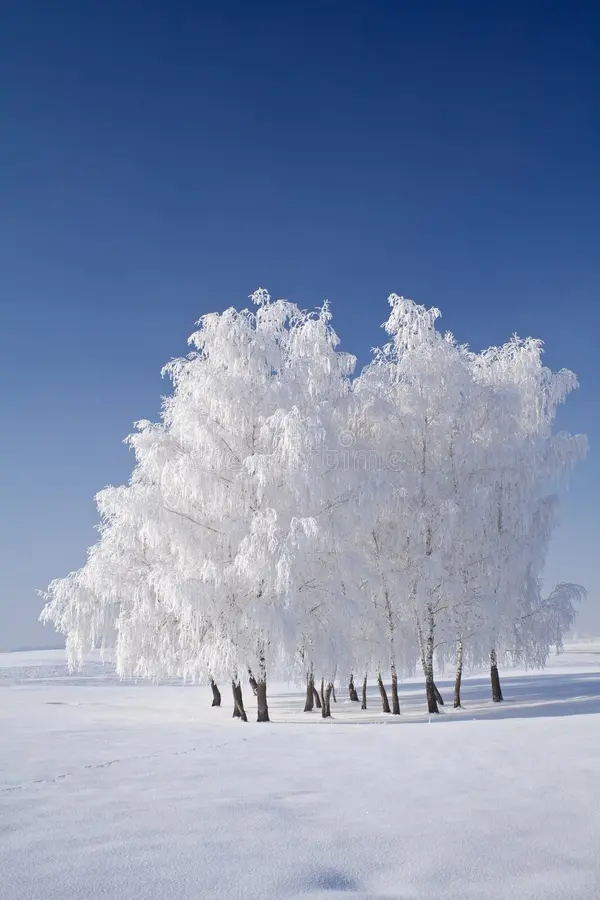
Snow and ice make for a beautiful winter scene, but they can also be quite hazardous. Sidewalks and roads can swallow your feet with slipperiness, causing disaster. A missed step or movement in the wrong direction can lead to falls and collisions.
Visibility drops with heavy snowfall. Water is falling so hard that Drivers can’t see their own headlights, which further threatens the potential for a crash. Even experienced drivers should slow down when it’s snowy.
Ice on trees and power lines can also create dangerous conditions. Trees and limbs could break under the weight of ice, causing power outages or property damage. One must tread carefully upon ice; there is often treachery under a thin veneer of white with frost. It is important to remain conscious of your surroundings when going outside. Recognizing these hazards is important as we keep ourselves safe this winter while “all [is] white with frost.”
Understanding Frostbite and Hypothermia
White with frost and hypothermia are the most serious risks faced when temperatures fall. These risks are widely understood by anyone who deals with winter weather. white with frost makes the skin and underlying tissues freeze. It frequently occurs in the extremities, such as fingers and toes. Numbness, tingling, or pain can be involved. If not treated, it can cause major damage.
Hypothermia occurs when your body sheds heat faster than it can generate it. This lowers your core temperature to a dangerous level. Early symptoms may include shivering, confusion, and sleepiness. Hypothermia is dangerous if not promptly treated.
In both conditions, white with frost, sudden deterioration in symptoms demands prompt medical attention. So is bundling up in the right attire for deep cold like this to prevent yourself from becoming prey to frostbite and lethal cold surges, during a winter trap.
How to Stay Safe During a Winter Storm
First off, when a winter storm is approaching, you want to be well-prepared. Be sure you have the emergency kit prepared. Be sure it has food, water, and medical supplies. Try to remain in your homes as much as you can. Dress in layers to retain body heat and protect against the biting chill if you have to be outside. Don’t forget gloves and hats; they can make a big difference.
Keep your home warm but safe. Be Sensible With Space Heaters. In order to avoid fire hazard,s do not use space heaters improperly. Test your smoke alarms to make sure they work. Stay informed by monitoring local news or weather apps for the latest weather forecasts. Conditions may change quickly during a storm. Notify a staff member if travel is required. 4. Remember to have blankets and extra clothes in the car,r even for road emergencies. Be careful on both interior and exterior icy surfaces; it’s easy to take a spill in white-frosted conditions.
Tips for Surviving Power Outages white with frost
If power outages can catch us by surprise, winter storms can too. It’s crucial to be prepared. First, you will want to make sure that you have things like flashlights and batteries on hand. Candles can make for a cozy ambience, but also risk starting fires. Keep safety in mind. Keep food that doesn’t spoil and bottled water available white with frost. The less cooking and washing, the better during an outage.
Make sure your devices are charged in case the power goes out, and you lose connection. You never know when you may need a go bag to charge your phones and get information or assistance. Dress warmly and have blankets on hand. Multiple layers of clothing will trap heat better than one thick layer.
Or if there’s a severe plunge in temperature, perhaps you can bunk with family or friends who have power until things get better. Especially relevant in winter is the importance of keeping safe in challenging conditions.
Conclusion: Staying Safe and Warm This Winter Season
While the winter covers the surroundings in white with ice, we just need to be careful and prepared. Knowing the hazards of snow and ice can help cut risks. Remain vigilant, especially when traveling or going outdoors.
White with frost and hypothermia is no joke this time of year, so bundling up is imperative. Piling on is key to guarding against biting winds and holding onto body heat. If temperatures fall too low, take refuge indoors or in heated areas as much as you can.
Snowstorms could result in power outages lasting hours or even days. It is a good idea to keep an emergency kit stocked with food, water, medications, flashlights, and batteries on hand at all times. It gets cold without power, so ensuring that you have a backup source for warmth may help.
Always keep up to date on the weather,white with frost, as it can help you prepare for potential obstacles along the way. By staying ahead of the game now with preparations such as protecting your home against heavy snow, you help to guarantee both safety and comfort all season.
This winter introduces you to challenges clothed in beauty, but being safe amid the allure of white with frost will ensure you can make the most out of all the wonders it comes with.
